Struggling with dry eyes, weak immunity, or dull skin?
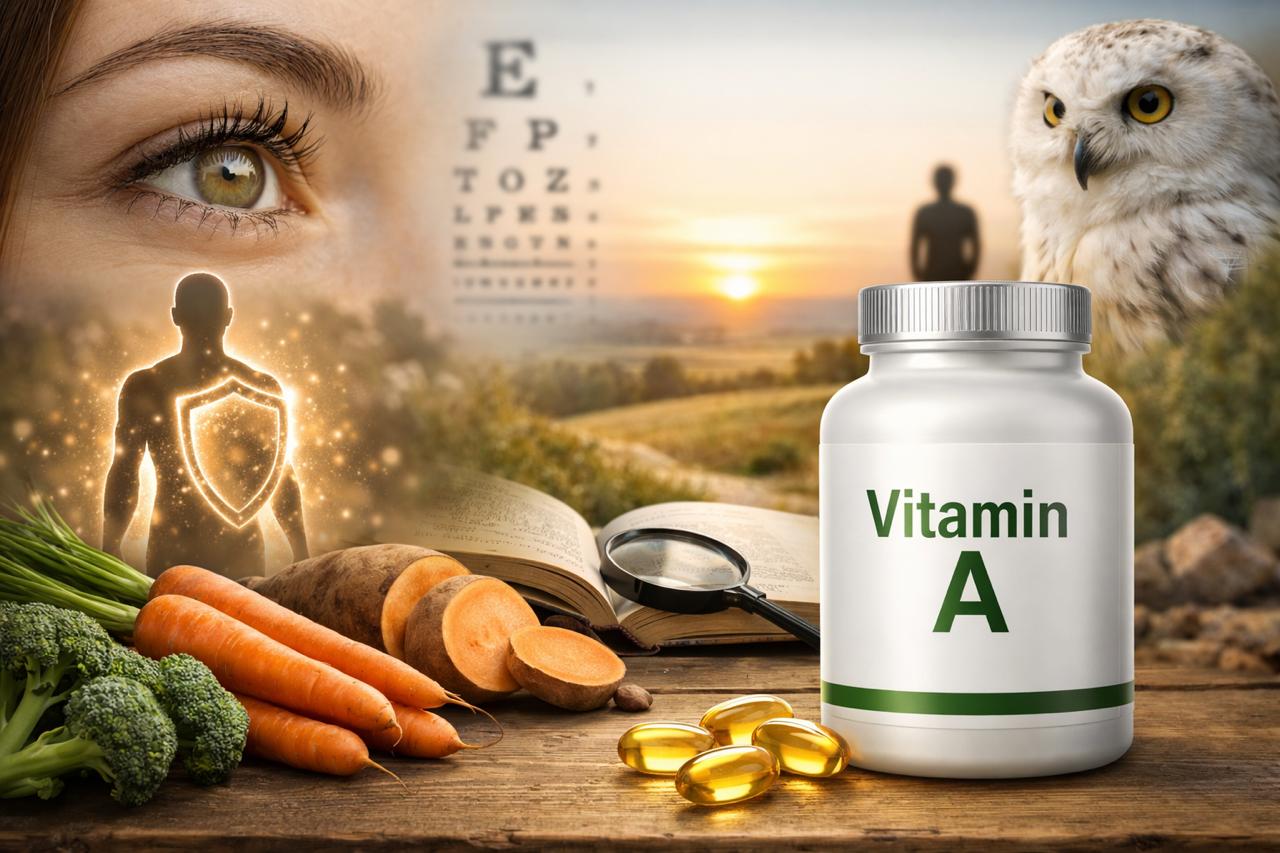
You might be low on Vitamin A. This essential fat-soluble vitamin plays a critical role in vision, immune defense, skin health, and cellular growth—yet many people don’t realize when their intake is insufficient.
Vitamin A is one of those nutrients that works quietly in the background—until deficiency begins to affect your eyesight, resistance to infections, or overall vitality. Despite its importance, Vitamin A deficiency can occur due to poor diet, absorption issues, or restrictive eating patterns.
In this guide, we’ll explain what Vitamin A does, common deficiency symptoms, possible causes, and the foods rich in Vitamin A.
What Is Vitamin A and Why Is It Important?
Vitamin A is a fat-soluble vitamin essential for multiple functions in the body, including:
Supporting normal vision, especially night vision
Maintaining healthy skin and mucous membranes
Strengthening immune system defenses
Supporting cell growth and tissue repair
Contributing to reproductive health
Vitamin A exists in two main forms:
Retinol (preformed Vitamin A) found in animal sources
Beta-carotene (provitamin A) found in plant foods, which the body converts into Vitamin A
Common Symptoms of Vitamin A Deficiency
Vitamin A deficiency may develop gradually, and early signs are often overlooked. Over time, symptoms can become more noticeable.
Physical Symptoms
Dry eyes or poor night vision
Dry, rough, or flaky skin
Frequent infections
Slow wound healing
Immune & General Symptoms
Weakened immune response
Increased susceptibility to colds and flu
Fatigue or low vitality
Other Signs
Brittle hair or hair thinning
Dry mouth or throat
Delayed recovery from illness
If left unaddressed, severe deficiency may impact vision and immune health more seriously.
What Causes Vitamin A Deficiency?
Several factors can contribute to low Vitamin A levels.
1. Inadequate Dietary Intake
Vitamin A is found in liver, dairy products, eggs, and colorful fruits and vegetables. Low intake of these foods can increase deficiency risk.
2. Fat Malabsorption
Since Vitamin A is fat-soluble, conditions affecting fat digestion—such as celiac disease, Crohn’s disease, or liver disorders—may reduce absorption.
3. Restrictive Diets
Very low-fat diets or highly restrictive eating plans may limit Vitamin A intake.
4. Increased Nutrient Demand
Periods of illness, stress, or recovery may increase the body’s need for Vitamin A.
How Much Vitamin A Do You Need?
Recommended daily intake for adults generally ranges between 700–900 mcg RAE (Retinol Activity Equivalents)
Supplement doses vary depending on purpose:
Maintenance support
Skin and immune health
Deficiency correction
Because Vitamin A is fat-soluble, it’s important not to exceed recommended doses unless advised by a healthcare professional.
Vitamin A–Rich Foods to Include in Your Diet
Alongside supplementation, consuming Vitamin A–rich foods can help support healthy levels naturally.
Animal-Based Sources (Retinol)
Liver (beef or chicken)
Egg yolks
Full-fat dairy products (milk, cheese, butter)
Fish liver oils
Plant-Based Sources (Beta-Carotene)
Carrots
Sweet potatoes
Spinach and kale
Pumpkin
Red and yellow bell peppers
Mangoes and apricots
Pairing plant-based Vitamin A sources with healthy fats (olive oil, nuts, avocado) improves absorption.
How Vitamin A Supports Overall Health
Supports healthy vision:
Vitamin A is essential for normal night vision and overall eye health.
Strengthens immunity:
Helps maintain the body’s natural defense system against infections.
Promotes healthy skin:
Supports skin cell renewal and helps maintain smooth, healthy skin.
Supports tissue repair:
Plays a role in cell growth and recovery.
Enhances long-term wellness:
Adequate Vitamin A levels contribute to overall vitality and resilience.
How to Take Vitamin A
Daily use
Take as directed on the product label, usually once daily.
With meals
Vitamin A should be taken with food containing healthy fats for better absorption.
Consistency matters
Regular intake is more effective than occasional use.
Is Vitamin A Safe?
When taken within recommended amounts, Vitamin A is generally safe for long-term use. Excessive intake, however, may lead to toxicity, which is why moderation and proper dosing are important.
Vitamin A supplements are generally suitable for:
Adults with low dietary intake
Individuals supporting eye and immune health
Those recovering from illness or nutrient depletion
Pregnant women should consult a healthcare professional before supplementing.
Who May Benefit Most?
Vitamin A supplementation may be helpful for:
Individuals with vision strain or dry eyes
People with frequent infections
Those with dry or dull skin
Adults following restrictive diets
Individuals with absorption challenges
Common Questions
Can Vitamin A improve eyesight?
It supports normal vision, especially in low-light conditions, but it doesn’t correct existing vision problems.
Is Vitamin A good for skin?
Yes, it supports skin renewal and overall skin health.
Can I take Vitamin A daily?
Yes, when taken at appropriate doses.
Is beta-carotene the same as Vitamin A?
Beta-carotene is converted into Vitamin A by the body, but conversion efficiency varies.
Final Thoughts
Vitamin A plays a vital role in maintaining clear vision, strong immunity, and healthy skin. Deficiency can quietly affect overall wellness, but the right supplementation—combined with a balanced diet—can help restore balance safely and effectively.
Explore high-quality Vitamin A supplements on Nutrimarket.ae and choose the option that best supports your nutritional needs and long-term health goals.


Leave a comment
This site is protected by hCaptcha and the hCaptcha Privacy Policy and Terms of Service apply.